A haircut appointment changes with age in Shelby, the same as everything else. Skin gets thinner and more sensitive. Hair gets finer, drier, and often grayer in texture as well as color. Sitting in one position for a long stretch can go from unremarkable to genuinely uncomfortable, and hearing a barber over clippers and shop music is not as easy as it was.
None of this needs to make the barber shop a chore. Most of it is handled by saying a few things plainly and choosing a style that works with the hair you have now, not the hair in a photo from 1985.
Comfort at the chair is a reasonable request
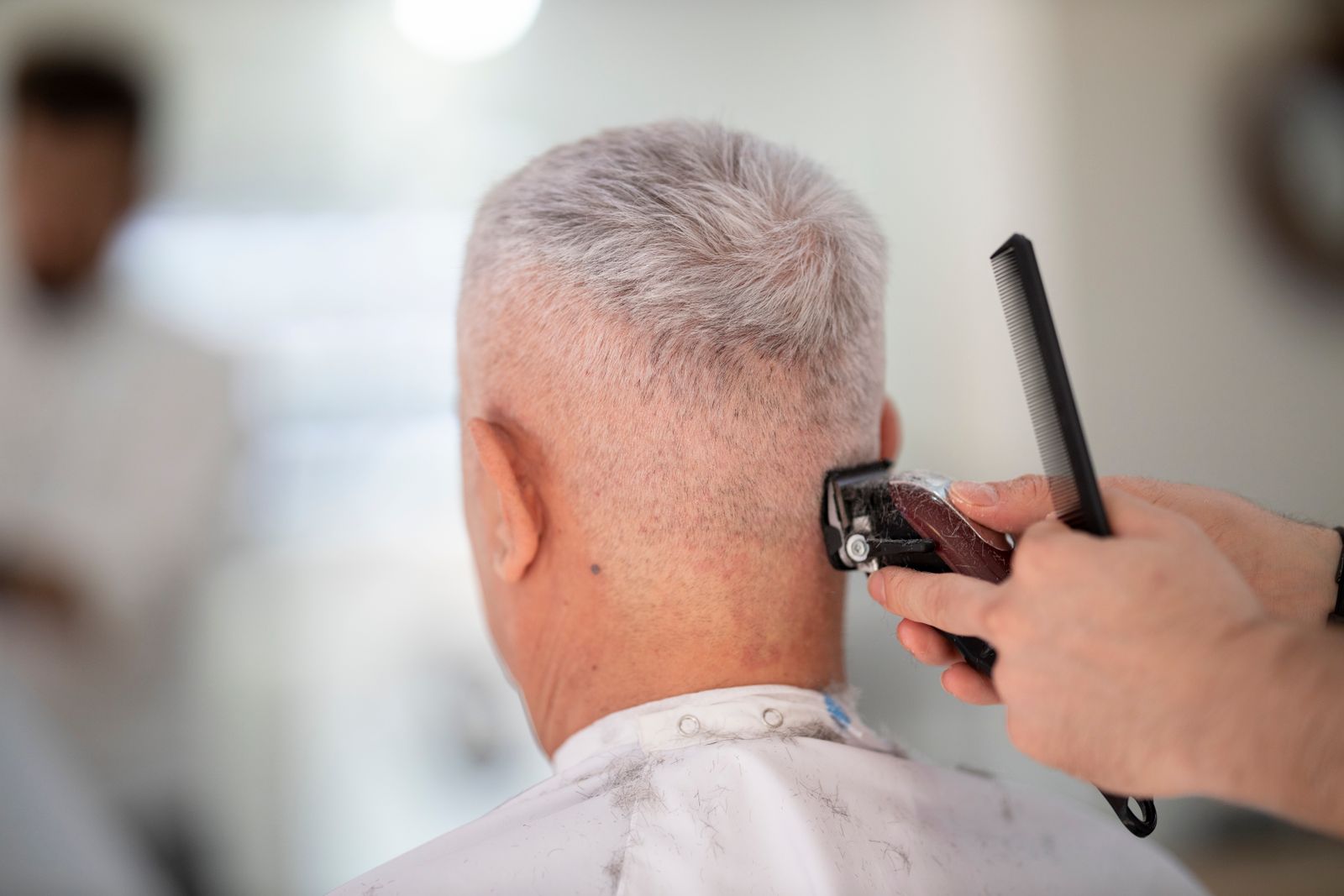
Tell the barber about sensitive skin, especially at the neckline, where thinner skin reacts to close trimmer work and razor finishes. A lighter touch, fewer passes, and skipping a razor finish are all normal adjustments. If sitting still is hard, say so at the start. A barber can work in a sensible order so the important parts are done first, and many classic cuts are quick by design. If hearing is a concern, ask the barber to face you when discussing the cut and to agree on the plan before the clippers start, when the shop sounds compete least.
Mobility matters too. Mention trouble with steps, transfers into the chair, or a walker, when you book. Shops can often suggest their quieter, easier times of day and be ready to help, but only if they know.
Classic styles, compared honestly
| Style | Upkeep at home | Works best for | Consider |
|---|---|---|---|
| Classic taper, scissor cut | Low: wash, comb, little or no product | Most hair types, including thinning on top | The most forgiving grow-out of any cut here; tidy for weeks |
| Short back and sides with a side part | Low to moderate: part needs setting after a wash | Hair that still has a natural part and some thickness | Looks sharp but shows growth at the part line sooner |
| Crew cut | Very low: nothing to style | Active routines, men who dislike fuss, warm weather | Exposes the scalp, so sun protection matters outdoors |
| Buzz cut, one length | Minimal: can be maintained with home clippers between visits | Very thinning hair, where even length looks neater than contrast | Head shape and scalp condition are fully visible; discuss first |
| Longer, brushed back | Moderate: needs drying and light product to hold | Fuller hair that grows back naturally | Fine or thinning hair worn long can look thinner, not fuller |
Hair and skin change the routine, not just the cut
Gray hair is often wirier and drier because the follicles produce less oil. It may need a gentler shampoo, less frequent washing, and a small amount of conditioner to lie down instead of standing out in every direction. Thinning skin on the scalp also sunburns faster, and a scalp that spent decades under a full head of hair has little sun history. A hat outdoors in a Shelby summer is not vanity. It is the practical answer, especially with shorter styles.
Medications can thin hair or dry the scalp, and dry, flaky patches are common later in life. A barber can work around irritated areas and will usually spot a spot worth having a doctor check. Take that suggestion seriously when it comes. Barbers see a lot of scalps, and an early word about a changing mole or a sore that does not heal is one of the quiet services of a regular chair.
Keeping it easy between visits
The best senior cut is the one that still looks acceptable in week four, because getting to the shop is the hardest part for many men. Classic tapers win on exactly that measure. At Cantrell & Melton Barber Shop, telling the barber that easy upkeep matters more than a sharp first week steers the cut in the right direction: softer edges, nothing that needs daily product, and a neckline that grows out gracefully instead of turning ragged on schedule.
A note on appointments and routine
Many longtime customers keep a standing rhythm, the same day and time every few weeks, and there is a practical reason beyond habit. A regular slot removes the booking effort, keeps the same barber who knows your skin, hair, and preferences, and turns the visit into maintenance instead of a rescue. If your current routine feels like a chore, that rhythm is worth asking about at your next visit.
Common questions
How often should older men get a haircut?
Every four to six weeks suits most classic styles. Tapers grow out softly, so stretching to six weeks usually still looks tidy.
What is the easiest style to maintain at home?
A short classic taper or a crew cut. Both need little more than washing and combing, and neither depends on styling product to look right.
My scalp gets dry and flaky. Should I mention it?
Yes. The barber can go easier on irritated areas, suggest a gentler washing routine, and flag anything that looks like it needs a doctor rather than a shampoo.
Photos in this guide are representative stock images.
← All guides from Cantrell & Melton Barber Shop← Back to Cantrell & Melton Barber Shop