The interview haircut is not the time to debut a new style in Shelby. Hiring managers will not remember a great haircut, which is exactly the point. They will remember a distracting one, a cut so fresh it looks raw around the edges, or hair you keep touching because it is not doing what you expected.
The practical goal is simple: a conservative version of the cut you already wear, timed so it has settled, and tidy on camera as well as in person. Here is how to get there without overthinking it.
What reads as tidy, and what reads as a distraction
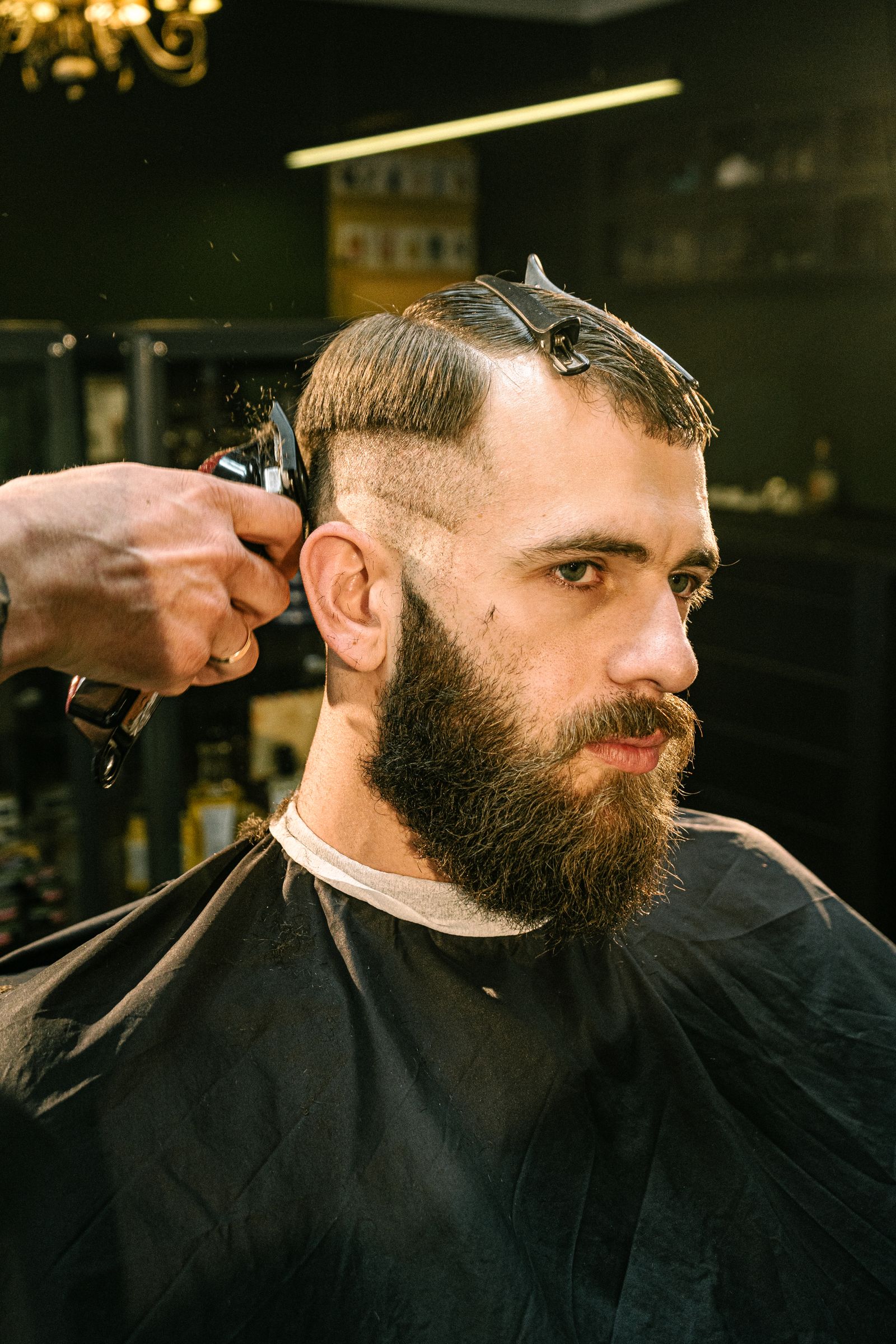
Tidy means the outline is clean. Hair off the collar, sides lying close, neckline and around the ears cleaned up, and nothing falling into your eyes when you look down at a resume or a laptop. It does not mean the shortest possible cut. A classic taper, a scissor cut with neat sides, or a modest fade you already wear all qualify. What distracts is novelty: a hard part shaved in for the first time, a dramatic length change the week of the interview, heavy shiny product, or a style that needs adjusting every few minutes.
Facial hair follows the same rule. A trimmed beard with a clean cheek and neck line reads as deliberate. Three days of uneven growth reads as an accident, even if it is one. Either shave clean or tidy the beard properly, and do it before interview day, not that morning with a new razor.
The interview cut, step by step
- Book the cut three to five days before the interview. Fresh cuts look sharpest after a couple of days, once the edges soften, any clipper redness fades, and you have styled it yourself at least once.
- Ask for your usual cut, cleaned up. Use plain language: a little shorter on the sides, keep the top manageable, clean the neckline and around the ears. Bring a photo of your own hair on a good day if you have one.
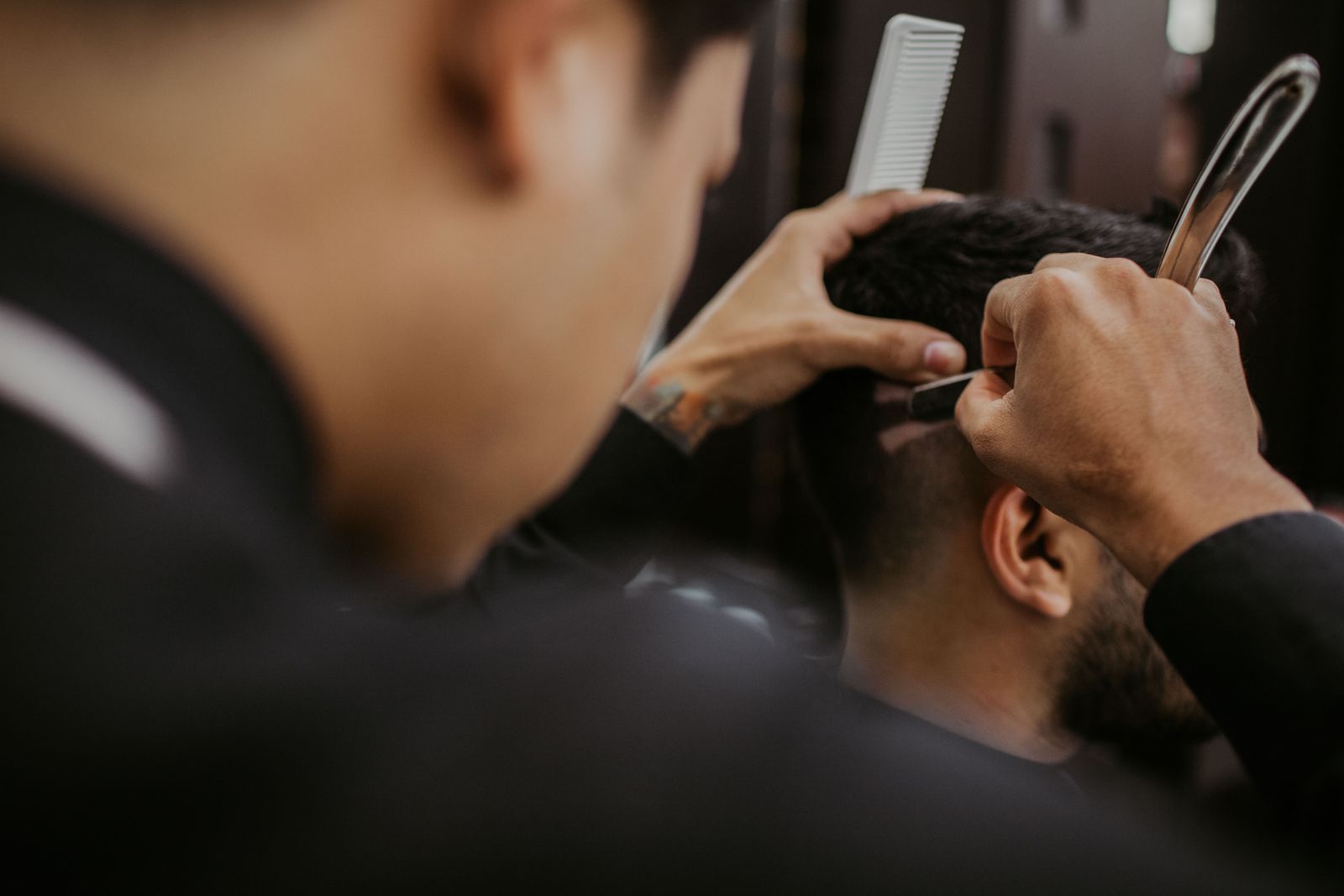
- Get the beard or shave sorted at the same visit. A straight razor finish on the neckline and cheeks gives a clean edge that is hard to match at home in a hurry.
- Practice the morning routine once. Wash, dry, and style it exactly as you will on interview day, with the amount of product you actually plan to use. If it takes twenty fussy minutes, simplify the style.
- The night before, lay out what you need and check the back. Use a hand mirror to look at the neckline. A stray patch you find the night before is fixable; one found in the parking lot is not.
- On the day, style it once and leave it alone. Carry nothing for touch-ups except maybe a small comb. Repeated fixing draws more attention than the hair itself.
Video interviews change a few details
On camera, shine and contrast matter more than detail. Heavy wet-look product reflects a desk lamp and can make hair look thinner on screen. A matte product, or less of what you use, photographs better. Hair that is very short on the sides and much longer on top can also look more extreme on a flat camera image than in person, so a moderate version of your style is the safer call. Test it on your own camera at the same distance and lighting as the call, the day before.
Headphones worn for hours before the call will flatten one side. Style after you take them off, or skip them that morning.
If the interview is tomorrow
No time for the ideal timing still leaves good options. A cleanup visit, just the neckline, sideburns, and around the ears, sharpens your current cut without changing it. At home, wash your hair the morning of the interview rather than relying on yesterday's product, go light on styling, and trim stray neck hairs only if you are confident with a razor. Do not attempt a full self-cut the night before an interview. A barber at Cantrell & Melton Barber Shop can fix a lot of things, but a rushed home cut hours before you need to be somewhere is the hardest kind to rescue.
Common questions
How many days before an interview should I get a haircut?
Three to five days is the sweet spot for most men. The cut still looks fresh, the edges have softened, and you have had a chance to style it yourself.
Should I try a more conservative style than I usually wear?
Slightly, if your usual style is extreme. Keep the basic cut, clean up the outline, and tone down product and contrast rather than changing styles entirely.
Is a beard acceptable for an interview?
In most workplaces, yes, if it is trimmed with clean lines and even length. Untidy growth is the problem, not the beard itself. When in doubt, tidier beats shorter.
Photos in this guide are representative stock images.
← All guides from Cantrell & Melton Barber Shop← Back to Cantrell & Melton Barber Shop